
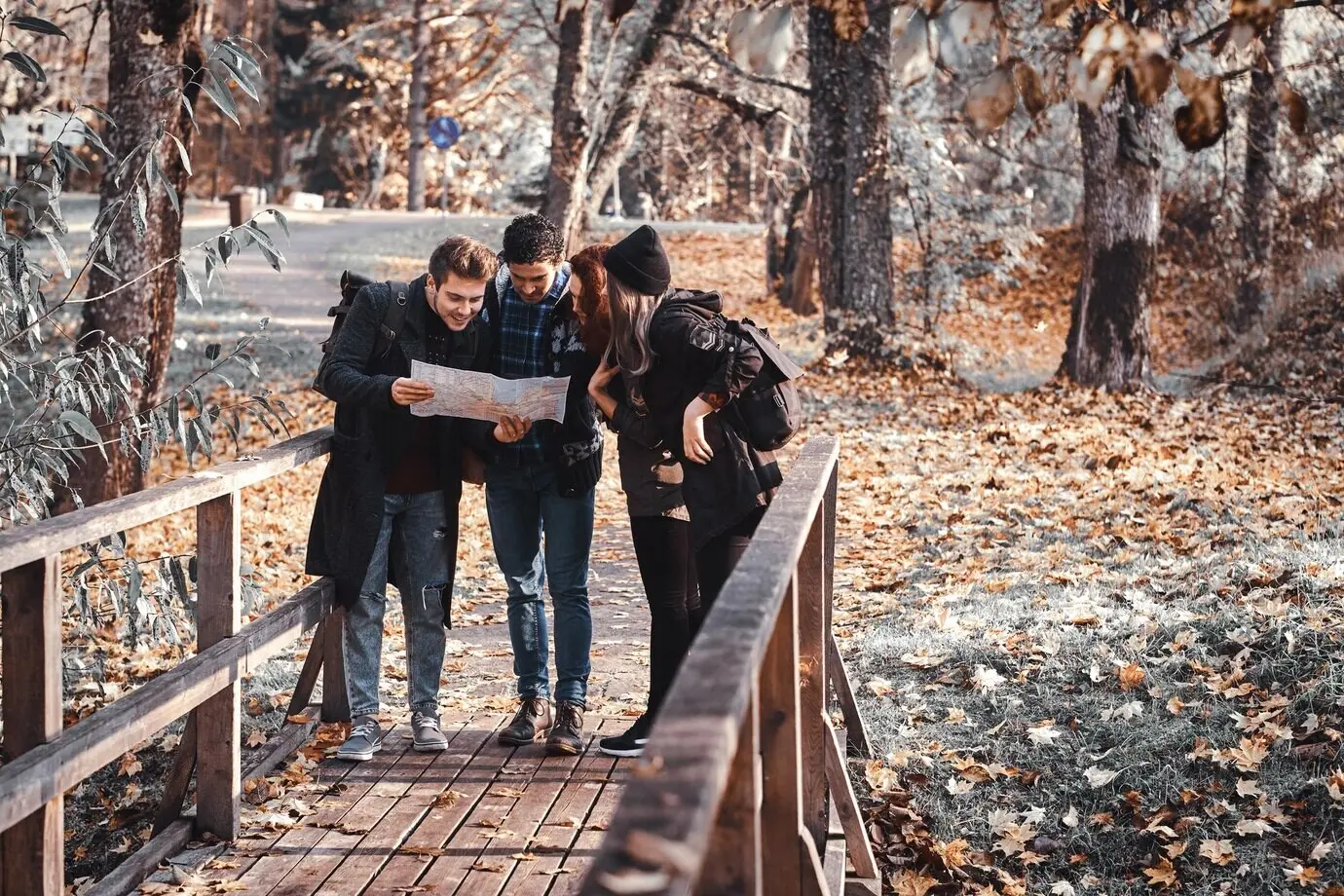
Tasting the Backroads of Canada

Set out along culinary and farmers’ market circuits across rural Canadian towns, tracing seasonal harvests, roadside kitchens, and neighborly stories. We’ll ride ferry crossings, gravel backroads, and prairie horizons to meet growers, taste regional staples, and cook simply, letting place, weather, and community shape every delicious stop.

Charting Routes Between Barns, Stalls, and Small-Town Kitchens

Good planning turns a meandering drive into a generous pantry. Use regional maps, market directories, and harvest calendars to link Saturday stalls with weekday farm-gate stands. Factor ferry schedules, gravel conditions, and fuel stops, then leave space for serendipity when a hand-painted sign, church bake sale, or u-pick orchard suddenly invites a memorable detour.

Seasonal Timing and Harvest Windows

Canada’s growing seasons stretch differently across coastlines, mountains, and plains. Track frost dates, berry runs, mushroom flushes, and migratory seafood landings to time markets perfectly. Align your trip with strawberry weekends, sweet corn peaks, or late-summer tomato gluts, keeping room for early frosts, smoky skies, or storms that might shift abundance overnight.

Keeping Food Fresh on the Move

A cooler with ice packs, breathable produce bags, and a clean towel go far. Separate delicate berries from heavy roots, wrap cheeses in paper, and keep greens crisp with damp cloths. In remote stretches, freeze water bottles, shade the trunk, and plan lunch stops where you can rinse, prep, and safely store your haul.

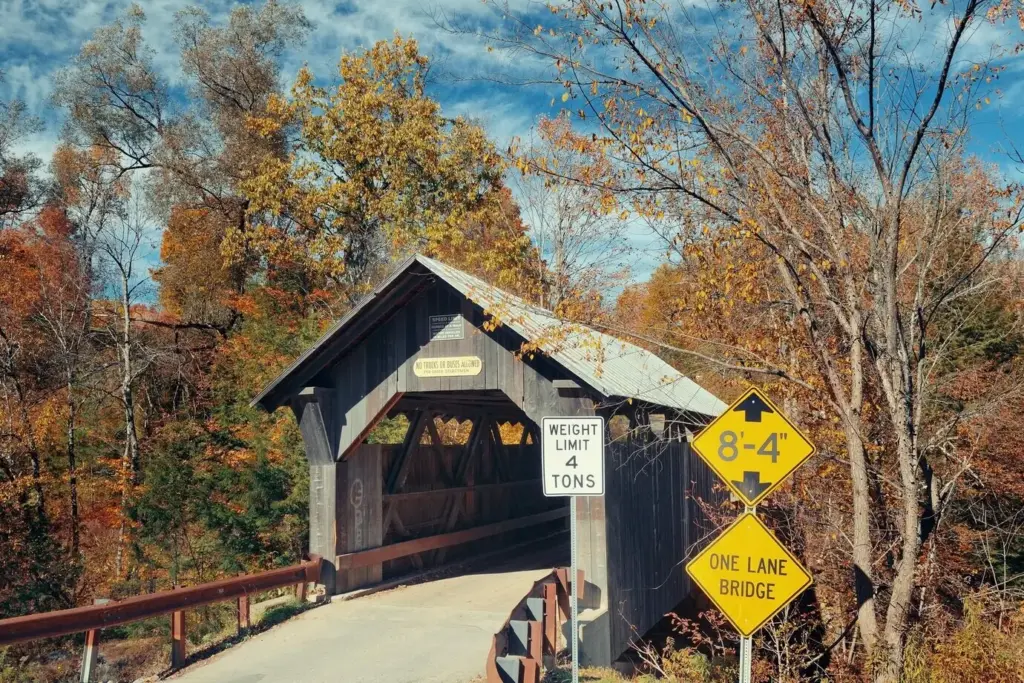
Flavours by Region: From Coasts to Prairies and Mountains

Regional character shines when you follow harvests across provinces. Along Atlantic harbours, cool waters and fog nurture shellfish, sea greens, and tart berries. Prairies add nutty grains and pulses; mountain valleys offer orchard sweetness. Let geography guide your plate, noticing how wind, soil, and shoreline shape taste, texture, and cherished family traditions.
Start early beside boats unloading lobsters and scallops, then wander toward tables piled with blueberries, bakeapple jams, and kelp. Talk to fishers about tides and seasons, then pair your haul with barley loaves and butter. Coastal fog may chill fingers, yet every warm bowl recalls kitchen windows steaming against salt air.
Sun-washed roads reveal bins of oats, wheat, rye, and sacks of lentils or chickpeas. Ask growers about rotations, soil health, and drought resilience, then taste flour milled yesterday. Combine grilled prairie vegetables with a warm grain salad, finishing with honey. Long horizons remind you to season generously with time and patience.

Cooking the Haul: Simple Techniques that Honor Place

Great cooking on the road means honoring freshness, simplifying technique, and cooking where you stand. With a sharp knife, portable burner, and cast-iron pan, you can sauté greens, blister tomatoes, or char scallions, then fold in grains, cheese, or herbs. Let smoke, wind, and conversation season everything beautifully.

Quick Camp-Stove Suppers with Market Finds

After the market, slice tomatoes, crumble farmer cheese, and tear basil for a bread‑rubbed salad, or sear scallops in butter with cider vinegar. Use one pan, minimal water, and bold seasoning. Eat outside, noticing how a simple plate tastes different beside fields, docks, or gravel roads warmed by late sun.

Preserving the Abundance: Pickles, Jams, and Ferments

Capture fleeting seasons by quick-pickling cucumbers, fermenting cabbage, or simmering small-batch jams. Label jars with town names and dates to remember faces and landscapes. When winter arrives, opening a jar returns you to roadside laughter, crate-stacked corners, and the warm handshake that sold you perfect fruit at sunrise.
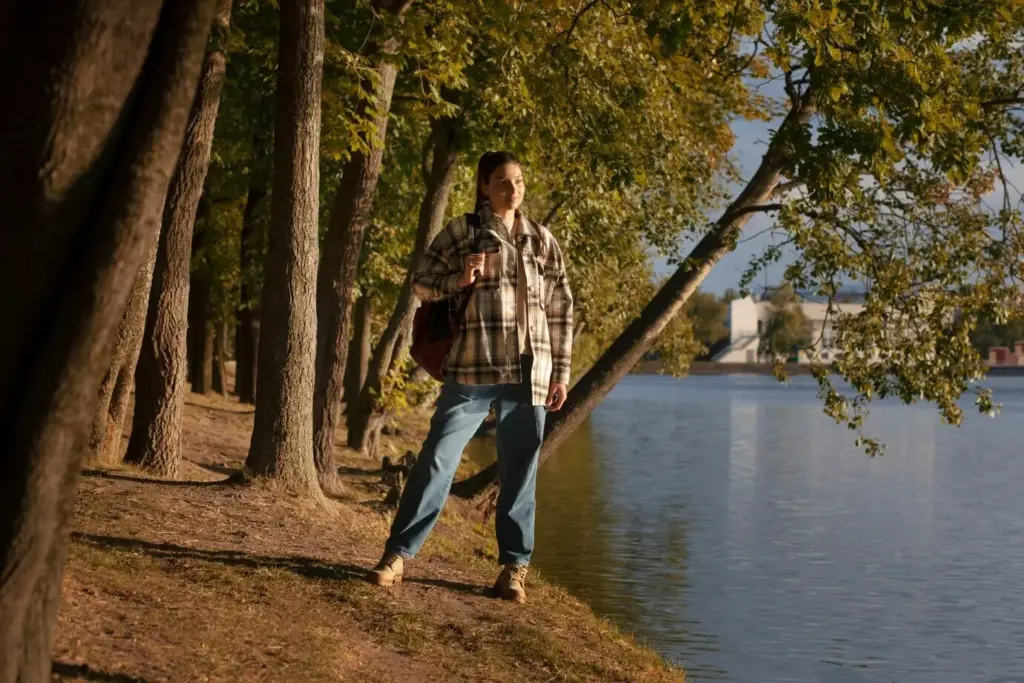
Stories from the Stalls: Voices that Shape the Table

Markets are crossroads where weathered hands, new bakers, and curious travelers trade ingredients and ideas. Listen for dialects, recipes, and jokes drifting between stalls. A shared sample becomes an invitation, and a purchase becomes support. Collect names, stories, and gratitude, because good meals always remember the people who made them possible.
He rose at three, dusted flour across a pine table, and slid loaves into a brick oven glowing like sunrise. Hours later, he traded stories for cash and smiles, sending a crusty rye with us along a road where snow still brightened ditches despite promising spring forecasts.
On a narrow county road, a cheesemaker turned wheels with a patience learned from grandparents, explaining cultures, temperatures, and time. We tasted curds singing under teeth and bought a wedge wrapped in paper. That careful slice paired perfectly with pickled beans and the late buzz of meadow bees.

Sustainability on the Road: Choices that Matter

Choosing thoughtfully strengthens communities and ecosystems that feed them. Ask about spray practices, water use, seed saving, and composting. Support farms paying fair wages and welcoming workers safely. Learn the stories behind Indigenous ingredients respectfully, crediting teachers. Carpool, pack reusables, and plan distances wisely so every kilometer carries purpose, not waste.

Regenerative Practices and How to Spot Them

Look for cover crops under vines, pollinator strips buzzing beside rows, compost heaps steaming, and mixed livestock rotations. Certifications can help, yet conversations reveal nuance: soil tests, hedgerow planting, or irrigation choices. Reward transparent practices with repeat custom, because steady demand lets farmers invest confidently in long-term soil, water, and wildlife health.

Honouring Indigenous Foodways with Care and Curiosity

Foodways carry memory. Approach bannock, wild rice, bison, or cedar-planked salmon with humility, seeking guidance from local cooks and knowledge keepers. Pay for teachings, cite names, and support Indigenous-led markets. Respect harvest protocols and land acknowledgements so your meals strengthen relationships rather than extract from histories still healing and deeply alive.

Document and Map Your Circuit for Fellow Travelers

Pin farm gates, ferry times, market hours, and road surfaces on a shared map, adding notes about standout producers and friendly cafés. Include restroom stops, picnic nooks, and scenic pullouts. Your careful breadcrumbs help newcomers travel safely, spend locally, and discover the small moments that make slow journeys unforgettable.

Community Potlucks, Recipe Swaps, and Mutual Aid

Host a backyard tasting where neighbors bring market treasures, labeling farms and towns beside each dish. Swap recipes, trade preserves, and collect donations for a local food bank. Potlucks turn purchases into community care, stretching flavors farther and deepening relationships that continue long after the table is cleared.

Volunteer Days, Donations, and Lasting Connections

Many markets rely on volunteers to set up tents, direct traffic, and run kids’ corners. Offer time, sponsor a music set, or fund tokens that increase access for low-income shoppers. Relationships grow as hands help, and gratitude becomes another ingredient folded into every basket you carry home.
Moluruxexolaxeruvivane
Privacy Overview

This website uses cookies so that we can provide you with the best user experience possible. Cookie information is stored in your browser and performs functions such as recognising you when you return to our website and helping our team to understand which sections of the website you find most interesting and useful.