Step Into Stories on Canada’s Historic Village Walks
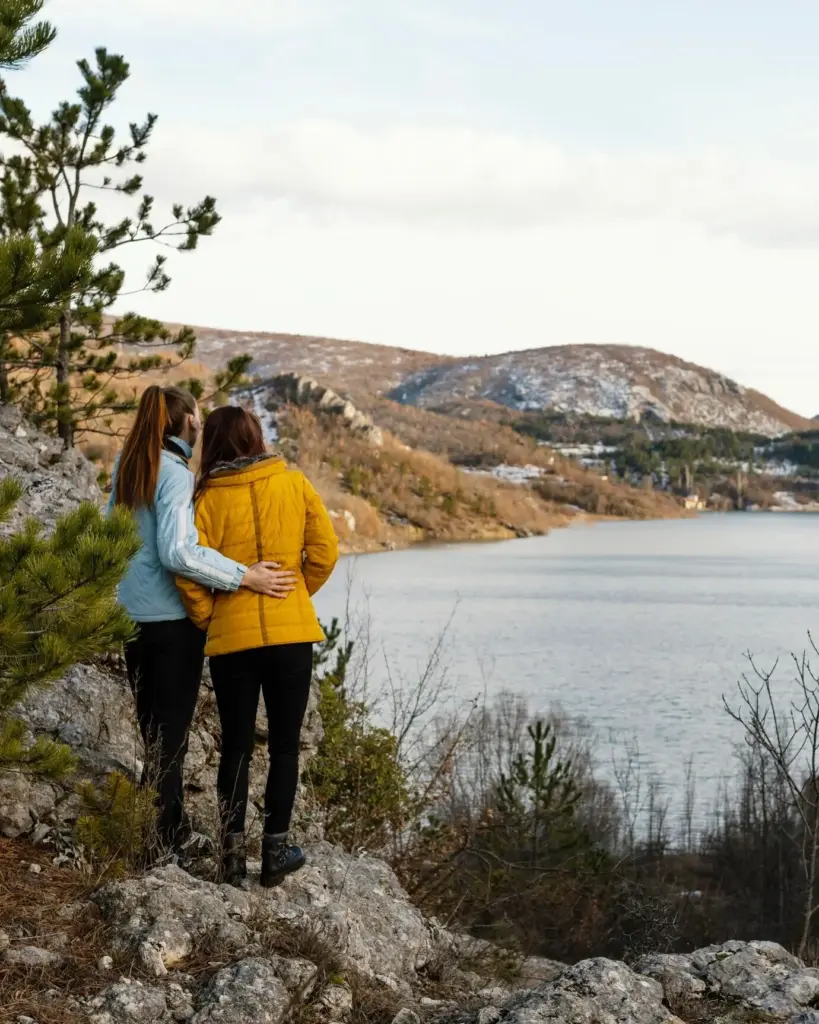
Today, we explore Heritage Walking Routes in Historic Canadian Villages, inviting you to slow your pace, listen for church bells and river birds, and notice hand-hewn beams, brick patterns, and plaque-etched names. Together, we’ll plan smarter routes, honor Indigenous stewardship, savor seasonal moments, and gather practical tips that turn every gentle stroll into a deeply memorable journey worth sharing and revisiting.

Start Smart: Planning a Memorable Village Walk

A satisfying heritage walk begins long before your first step. Scout official maps, glance at archival photos, and save historical society notes for context. Build flexible timing around museum hours, tides, and festivals. Consider accessibility, water stops, restrooms, and weather shifts. Then leave room for surprises, because the most meaningful discoveries often hide just off the main street.

Streets That Remember: Architecture You Can Walk

Canadian village streets are outdoor archives, where shingle patterns, window sashes, and storefront cornices narrate eras of trade, faith, and migration. Walking slowly helps you decode proportions, materials, and craftsmanship. Notice how climate, industry, and available transport shaped dwellings, shops, and civic buildings. Let these details anchor conversations with residents and inspire respectful photographs and sketches.

French Colonial Echoes in Quebec Parish Squares

Look for stone churches with bell towers commanding open squares, where processions once linked homes to holy days and markets. Thick walls kept winter at bay, while steep roofs shed snow. Explore narrow lanes aligned with mills and river landings. Imagine voices in French, English, and Indigenous languages mingling as seasonal trade threaded communities together.

Maritime Saltboxes and Wharfside Lanes

In Atlantic villages, saltbox homes stand wind-ready, their long roofs shrugging off storms. Fish sheds line wharves, stained with generations of salt and work. Follow rope-worn bollards, driftwood fences, and weathered shingles. Between sea breezes and foghorns, local museums share charts, logbooks, and quilts that carry seafaring memory into today’s kitchens, bake shops, and festivals.
Walking with Respect: Indigenous Presence and Partnerships

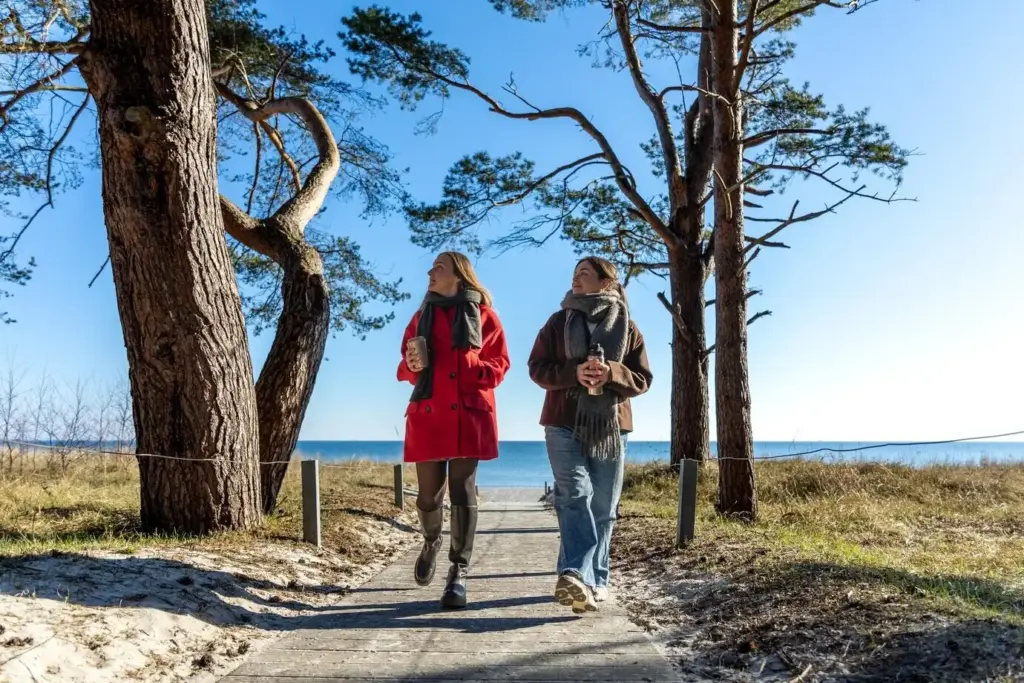
Many village routes cross lands with deep Indigenous histories, languages, and living traditions. Walkers can honor this by learning place names, reading community protocols, and seeking Indigenous-led tours. Respectful behavior protects sacred spaces and strengthens relationships. Listening before photographing or sharing locations helps preserve ecological and cultural integrity, allowing future visitors to learn responsibly and meaningfully.

Seasons on the Path: Weathering the Walk
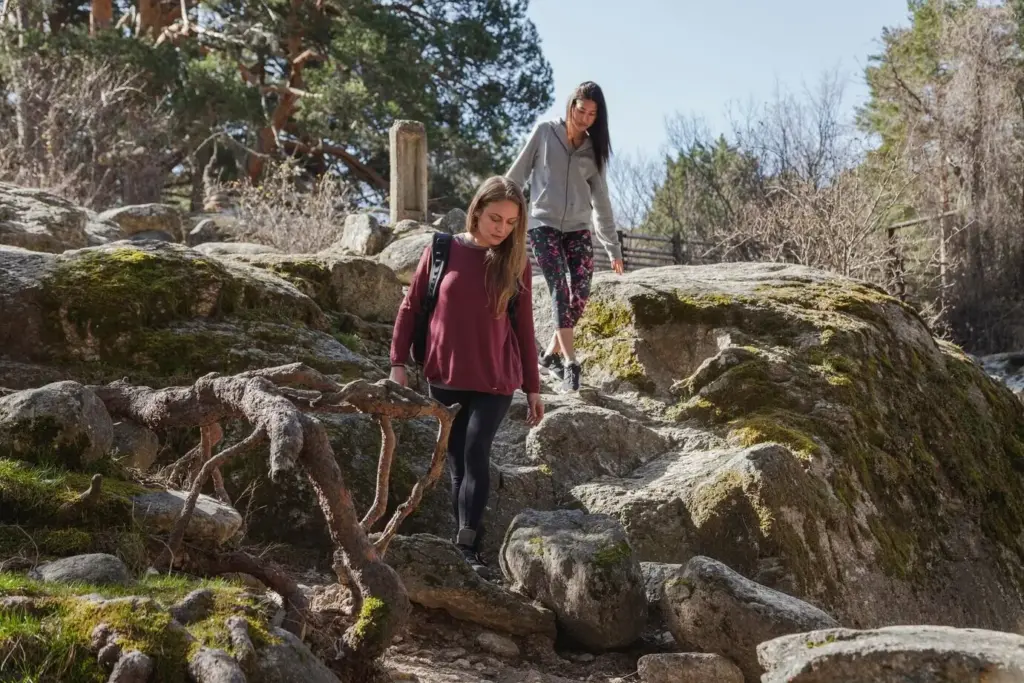
Heritage routes change character with light and temperature. Spring reveals thawed wagon ruts and garden heirlooms. Summer swells with parades and outdoor storytelling. Autumn crowns streets in color and harvest aromas. Winter quiets voices and highlights architectural lines. Preparing for conditions—in clothing, hydration, and footing—lets each season’s gifts enrich your understanding of place and memory.

Village Voices: Anecdotes from Along the Way

Personal stories animate maps. A baker recalling dawn deliveries reveals supply chains; a retired lighthouse keeper shares storms felt in shingle creaks; a schoolchild points out a mural painted by cousins. Gather these gentle testimonies with consent, share credit generously, and notice how each voice transforms a pleasant stroll into a layered, neighborly learning experience.

Create a Personal Layer for Future Walkers

Use a mapping app to mark plaques, viewpoints, and safe crossings, attaching photos with context and credits. Keep sensitive sites untagged, noting guidance in your description instead. Export and share with walking groups or historical societies. A well-documented, community-minded map becomes a living companion that grows richer with every thoughtfully annotated stroll.

Join Challenges and Archive Your Steps

Participate in monthly prompts—like finding three builders’ signatures or comparing storefront window styles—then post reflections and images. Tag local museums and libraries to connect discoveries with collections. Your curiosity encourages others to wander, compare notes, and strengthen cross-village friendships that help protect places through shared attention, joyful learning, and documented, accessible heritage resources.
Moluruxexolaxeruvivane
Privacy Overview

This website uses cookies so that we can provide you with the best user experience possible. Cookie information is stored in your browser and performs functions such as recognising you when you return to our website and helping our team to understand which sections of the website you find most interesting and useful.